
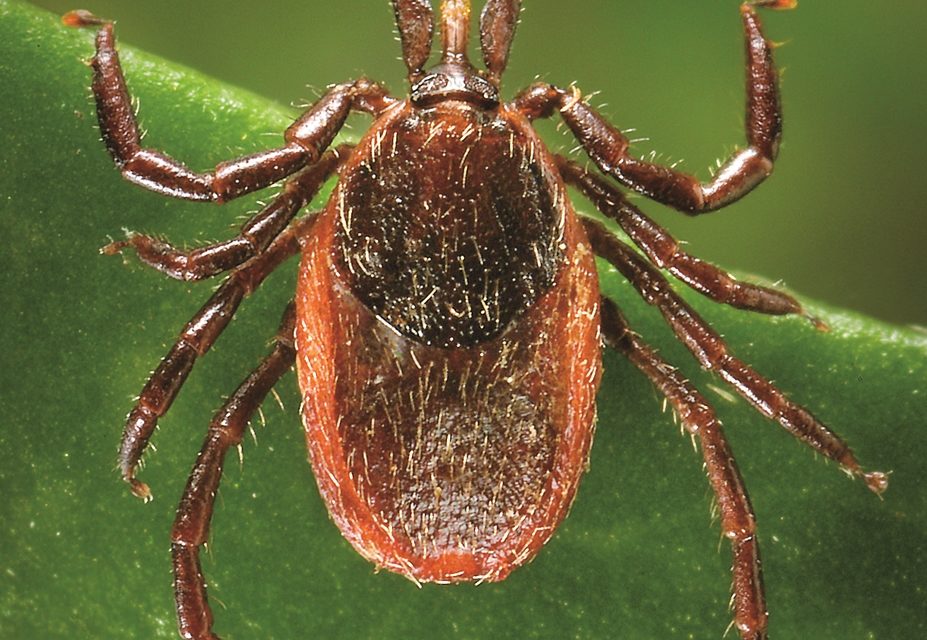
Lyme Disease–What is it? What are the Symptoms? How can I protect my horse?
Learn the signs and symptoms of this tick-borne disease and how you can work with your vet to protect your horse.

Equine Cushing’s Disease and ACTH Testing
“Cushing’s Disease”, also known as Equine Pituitary Pars Intermedia Dysfunction (PPID), is a condition most commonly affecting older horses (typically 15 years or older).
Deworming Schedule-High Shedder
Deworming guidelines for horses that have had fecal counts are in the High Shedder group.
Deworming Schedule- Medium Shedders
This printable schedule is the guideline owners should follow for horses who have had fecal counts in the Medium Shedder range.
Deworming Schedule-Low Shedders
Deworming guidelines for horses that have fecal counts that are in the Low Shedder range.
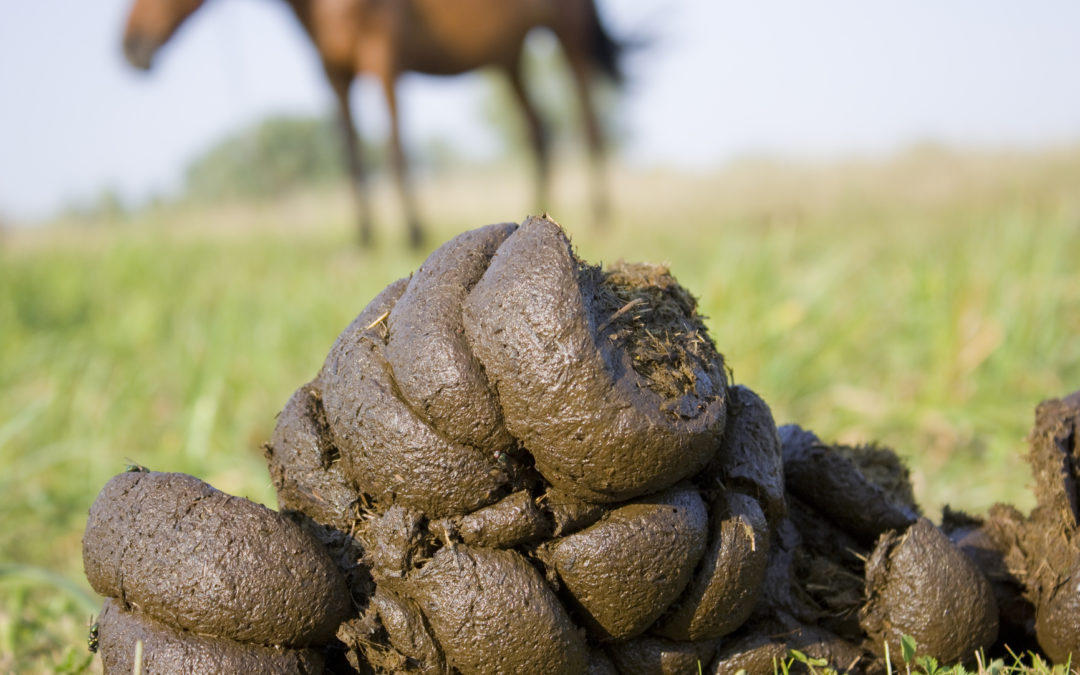
Fecal Count Worming Schedule
A one-page guideline for horses that have had fecal counts.

Parasite Control (Worming) for Your Horse
The best way to reduce parasites in all horses is to deworm each horse at the right time with the right product at the right dosage. Learn what’s best for your horse.

Blanketing Horses
Learn more about blanketing your horse during colder months, and learn what type of blanket is most appropriate for your horse.
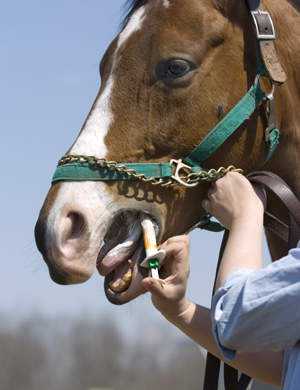
What All Horse Owners Should Know How to Do
You can provide an enormous benefit to your veterinarian by knowing how to assess some conditions of your horse, which can aid in treatment, especially during emergencies.
Joint Supplements for Horses
There are demonstrable benefits of oral and injectable joint supplements in treating and preventing joint damage in the horse. Learn more about them here.