by Fox Valley Equine Practice | Jul 27, 2016 | Common Maladies
Cushings syndrome in horses is caused by a disorder of the pituitary gland that changes the hormone levels in the body and the way the horse responds to its natural steroids. It can cause muscle wasting and fat redistribution resulting in a horse that has a poor top...
by Fox Valley Equine Practice | Jul 27, 2016 | Common Maladies, Emergencies
Colic is a condition of severe abdominal discomfort characterized by not eating, pawing, looking at the belly, lifting the lip up, and rolling/thrashing. SYMPTOMS Decreased or no appetite Depression or anxiety Pawing at ground Looking at sides Straining to urinate or...
by Fox Valley Equine Practice | Jul 27, 2016 | Lameness and Sports Injuries, Resources, Vet Articles
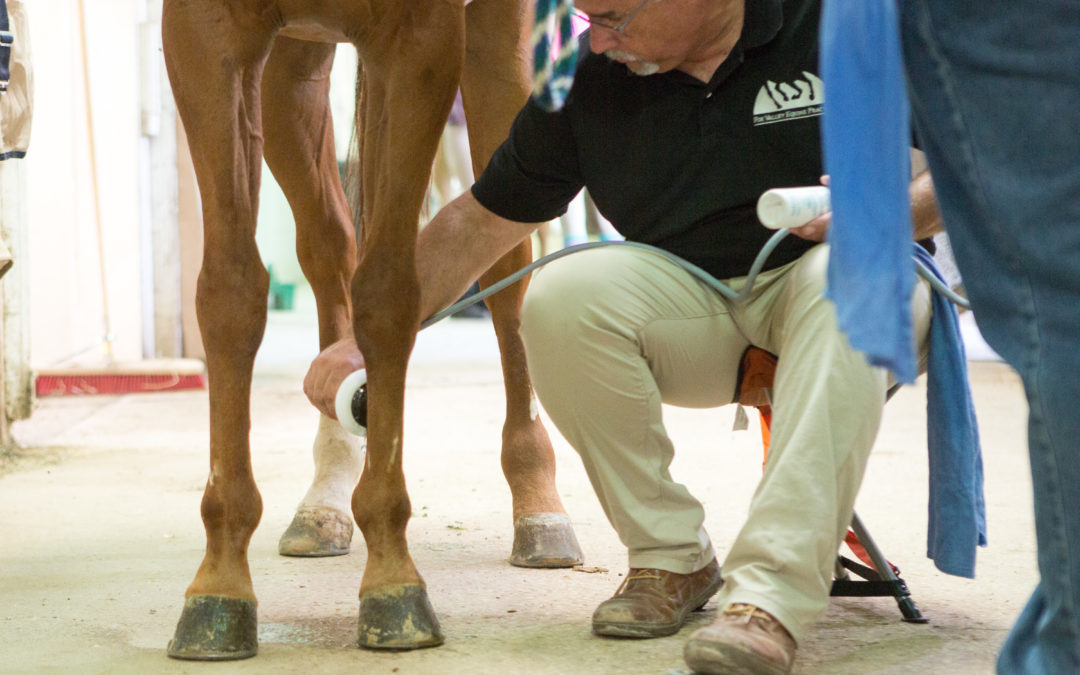
Extracorporeal shock wave therapy (ESWT) has been used in human medicine for decades, primarily to break up bladder stones so that they could be passed without surgery. ESWT has been used on the equine athlete for the past 20 years, especially for treatment of...
by Fox Valley Equine Practice | Jul 27, 2016 | Featured resources, Vet Articles
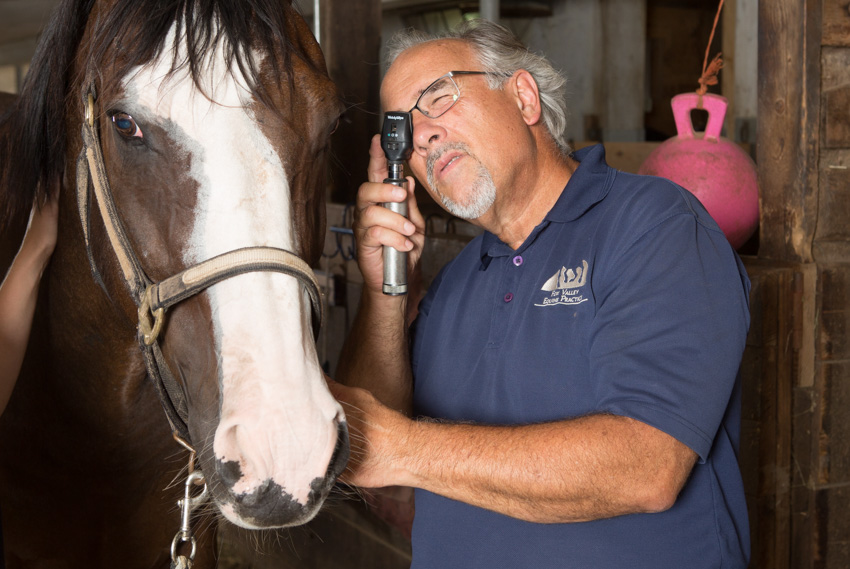
Corneal ulcers are a very common condition in horses. They have large eyes that extend out past their skull, bury their heads in mounds of stalky hay, and spook at the drop of a hat. The cornea is the sensitive clear outer layer of the eye that is only half to one...
by Fox Valley Equine Practice | Jul 27, 2016 | Vet Articles
Even with the newest treatment options, eyesight is occasionally lost due to injury or disease. When a horse does go blind, there is a period of adjustment, typically a couple of weeks to a few months, as the horse learns to adapt to his or her new circumstances....
by Fox Valley Equine Practice | Jul 26, 2016 | Vet Articles
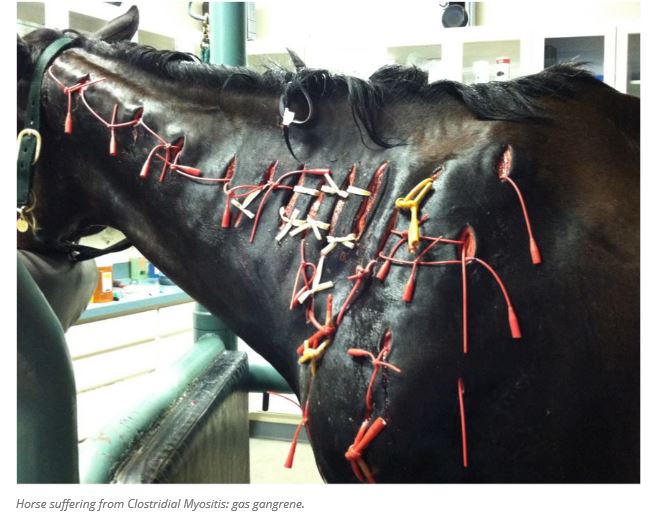
Flunixin meglumine (Banamine) is a nonsteroidal anti-inflammatory medication that is used for the relief of pain, inflammation and fever in horses. Banamine is often the drug of choice for colicky horses, so most barn and horse owners have banamine on hand to...