by Fox Valley Equine Practice | Jul 27, 2016 | Featured resources, Vet Articles
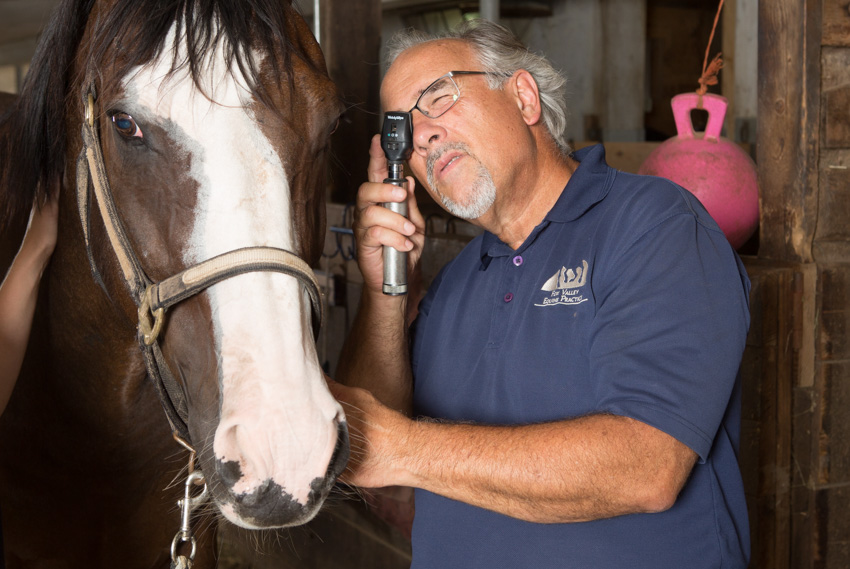
Corneal ulcers are a very common condition in horses. They have large eyes that extend out past their skull, bury their heads in mounds of stalky hay, and spook at the drop of a hat. The cornea is the sensitive clear outer layer of the eye that is only half to one...
by Fox Valley Equine Practice | Jul 27, 2016 | Vet Articles
Even with the newest treatment options, eyesight is occasionally lost due to injury or disease. When a horse does go blind, there is a period of adjustment, typically a couple of weeks to a few months, as the horse learns to adapt to his or her new circumstances....
by Fox Valley Equine Practice | Jul 26, 2016 | Vet Articles
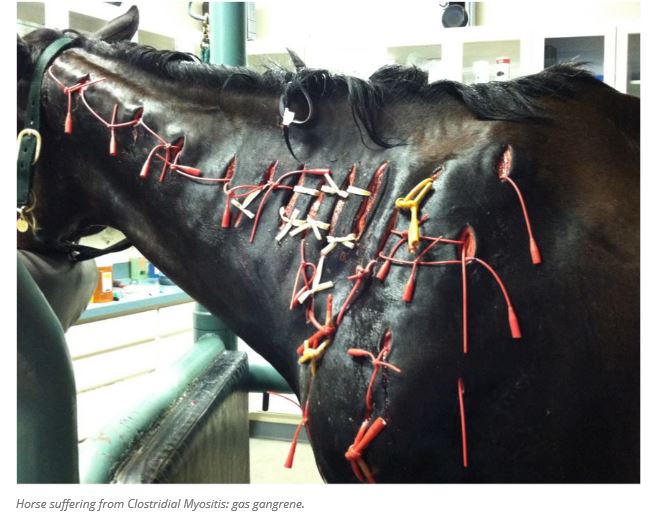
Flunixin meglumine (Banamine) is a nonsteroidal anti-inflammatory medication that is used for the relief of pain, inflammation and fever in horses. Banamine is often the drug of choice for colicky horses, so most barn and horse owners have banamine on hand to...
by Fox Valley Equine Practice | Jul 26, 2016 | Vet Articles
Potomac Horse Fever (PHF), also known as Equine monocytic ehrlichiosis, originated in the eastern United States near the Potomac River. This disease has since been found in other geographic locations in the U.S. and Canada. Potomac Horse Fever is caused by the...
by Fox Valley Equine Practice | Jul 26, 2016 | Horseman 101
Many reading this article are probably very aware of the medical costs that can be accrued if your horse falls ill. Colic surgery can range from $2,000 to $12,000 depending on the condition; the newest lameness treatments such as stem cell therapy, IRAP, shockwave...